All Over Print Christian Faith Over Fear Custom Apparel Hoodie Guide For Believers Looking For Graph...
All Over Print Christian Faith Over Fear Custom Apparel Hoodie Guide For Believers Looking For Graph...
- Get link
- X
- Other Apps
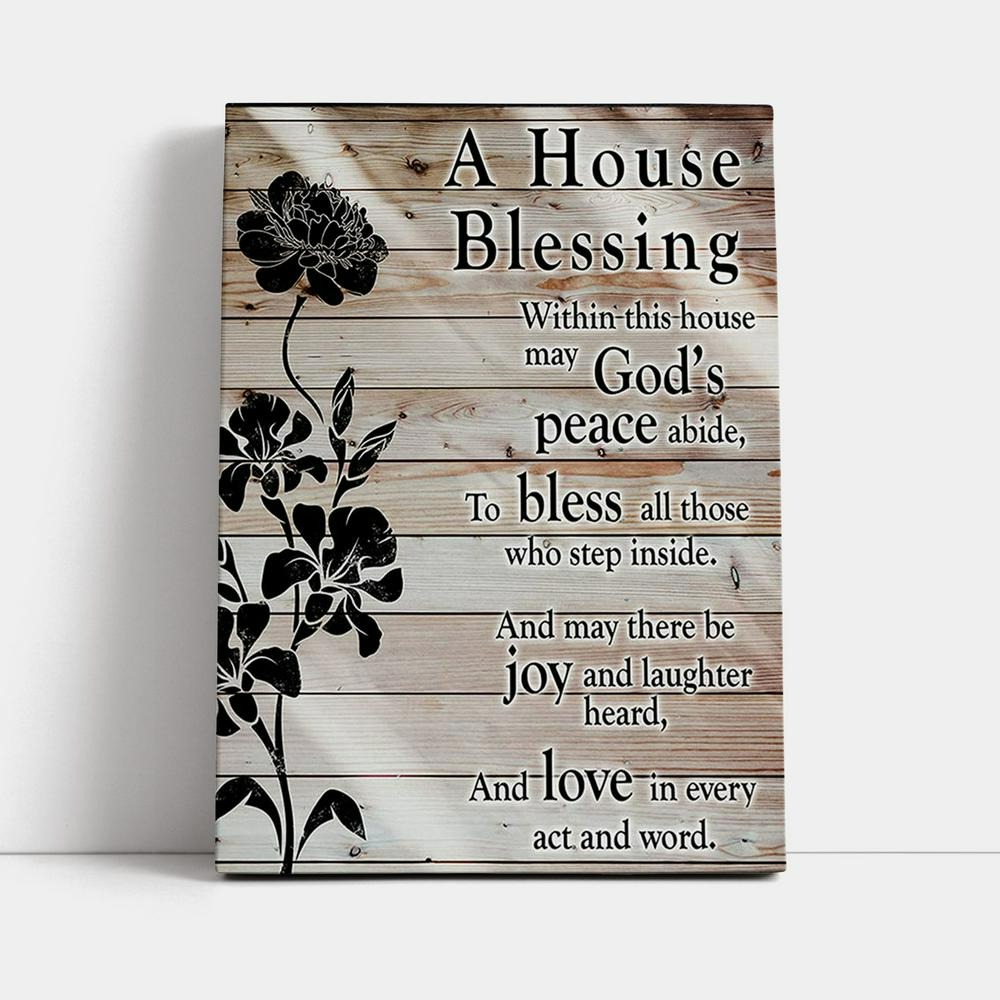
When selecting pieces for a sacred space within the home, understanding the technical composition of the artwork is essential for ensuring both longevity and visual fidelity. The materials used significantly impact how the spiritual message is conveyed and how the piece ages over time.
The substrate serves as the foundation of the artwork. Common choices include:
The method of application determines the color accuracy and lightfastness of the piece. Giclée printing is the gold standard for spiritual art, utilizing pigment-based inks rather than dye-based inks. Pigment inks consist of tiny particles of colored pigment suspended in a liquid, which bond more securely to the substrate and resist fading from UV exposure for decades.
The placement of art is not merely an aesthetic choice but a technical application of spatial psychology and sacred geometry. To create a sense of peace and divine order, one should consider the mathematical relationship between the artwork and the room's architecture.
Utilizing the Golden Ratio (approximately 1:1.618) helps in determining the ideal size of the artwork relative to the wall. A piece that is too small can feel insignificant, while one that is too large can overwhelm the spiritual tranquility of the room. Ideally, the center of the artwork should be placed at a "gallery height"—roughly 57 to 60 inches from the floor—to align with the average human line of sight, fostering a direct spiritual connection.
In religious settings, symmetry often symbolizes balance and divine perfection. Placing art along a central axis—such as centered above a prayer altar or a fireplace—creates a grounded energy that draws the eye inward, encouraging meditation and reflection.
Lighting is the bridge between a physical object and an emotional response. Technical lighting optimization ensures that the spiritual essence of the art is highlighted without compromising the integrity of the materials.
The Kelvin (K) scale determines the "warmth" of the light. For spiritual visuals, a warm white light (between 2700K and 3000K) is typically preferred to evoke a sense of intimacy and holiness. Furthermore, selecting bulbs with a high Color Rendering Index (CRI) of 90 or above ensures that the colors of the artwork are rendered accurately, preventing the "muddy" appearance caused by low-quality LEDs.
While light is necessary for visibility, direct sunlight causes photodegradation—the chemical breakdown of pigments. To protect the art, use UV-filtering glass or acrylic covers. If the piece is placed opposite a window, consider installing blackout curtains or using indirect, diffused lighting to minimize UV exposure.
Beyond the technical specifications of the medium, the content of the art must be analyzed for theological and symbolic precision. Each element within a piece of spiritual art often carries a specific, coded meaning.
In religious iconography, colors are rarely arbitrary. For example, gold often represents divinity and the light of heaven, while blue may symbolize truth or the celestial realm. When selecting Religious home wall art, families should ensure that the symbols used—whether they are crosses, doves, or specific geometric patterns—align with their specific denominational beliefs and intentions for the home.
Technical analysis of the composition reveals the "hierarchy of importance." The most significant figure or symbol should typically occupy the central or uppermost portion of the frame, guiding the viewer's gaze upward in a metaphorical ascent toward the divine.
To maintain the spiritual and physical integrity of home art, a rigorous maintenance schedule is required. Environmental factors are the primary catalysts for artwork deterioration.
Fluctuations in humidity can cause canvas to expand and contract, leading to "craquelure" (fine cracking in the paint or ink). Maintaining a stable relative humidity (RH) between 40% and 50% is ideal. Avoid hanging art on external walls that may be prone to dampness or extreme temperature swings.
Incorrect cleaning can permanently damage the surface of the art. Follow these technical guidelines:
The integration of faith into interior design is a multidisciplinary process. By combining technical knowledge of materials, the mathematical precision of sacred geometry, and a scientific approach to lighting and preservation, religious families can transform their living spaces into sanctuaries. When the physical specifications of the art align with the spiritual intent of the home, the result is an environment that not only honors the divine but also promotes psychological well-being and familial unity.
Comments
Post a Comment